
GPQI Brazil and ABNT Promote Germany-Brazil Dialogue on Digital Product Passports and the Future of Industrial Competitiveness
Brasilien
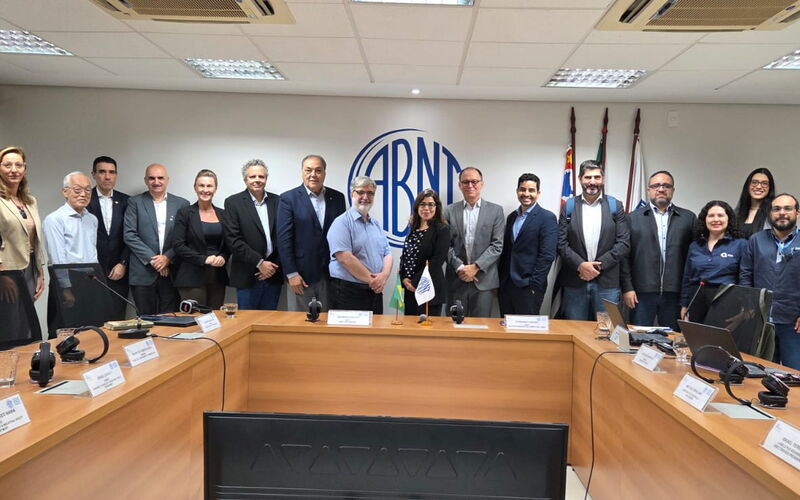
Promoted by GPQI in partnership with ABNT, the Germany-Brazil Dialogue on DPPs took place in São Paulo last month. The event brought together representatives from government, industry, academia, and technical organizations from both countries to discuss the impacts of implementing DPPs in global value chains.

As the European Union moves toward mandatory adoption of DPPs starting in 2027, the topic is becoming increasingly strategic for Brazilian companies and institutions. More than a regulatory requirement, DPPs were presented as an opportunity to enhance competitiveness, strengthen traceability, and foster the circular economy

The event opened with the participation of the German Federal Ministry for Economic Affairs and Energy (BMWE), which highlighted the role of DPPs as catalysts for the circular economy and climate neutrality. The European “smart regulation” approach aims to integrate compliance digitally from the product design stage, reducing technical barriers and simplifying administrative processes through interoperable and standardized formats.
Key topics discussed included the harmonization of international standards, data interoperability, and the development of a reliable digital infrastructure for the secure sharing of industrial information. Representatives from ABNT and Brazil’s Ministry of Development, Industry, Trade and Services (MDIC) reinforced the importance of DPPs for strengthening the EU-Mercosur agreement and integrating Brazil into new global digital trade models.

Industry representatives emphasized the importance of trust and data sovereignty in information sharing across supply chains. Practical cases presented by German and Brazilian industry representatives demonstrated how DPPs can support applications ranging from component traceability to product carbon footprint measurement.
The event also reinforced the strategic role of Digital Quality Infrastructure and the cooperation between Brazil and Germany in preventing regulatory fragmentation and ensuring that Brazilian products remain aligned with emerging international standards.